The standard version
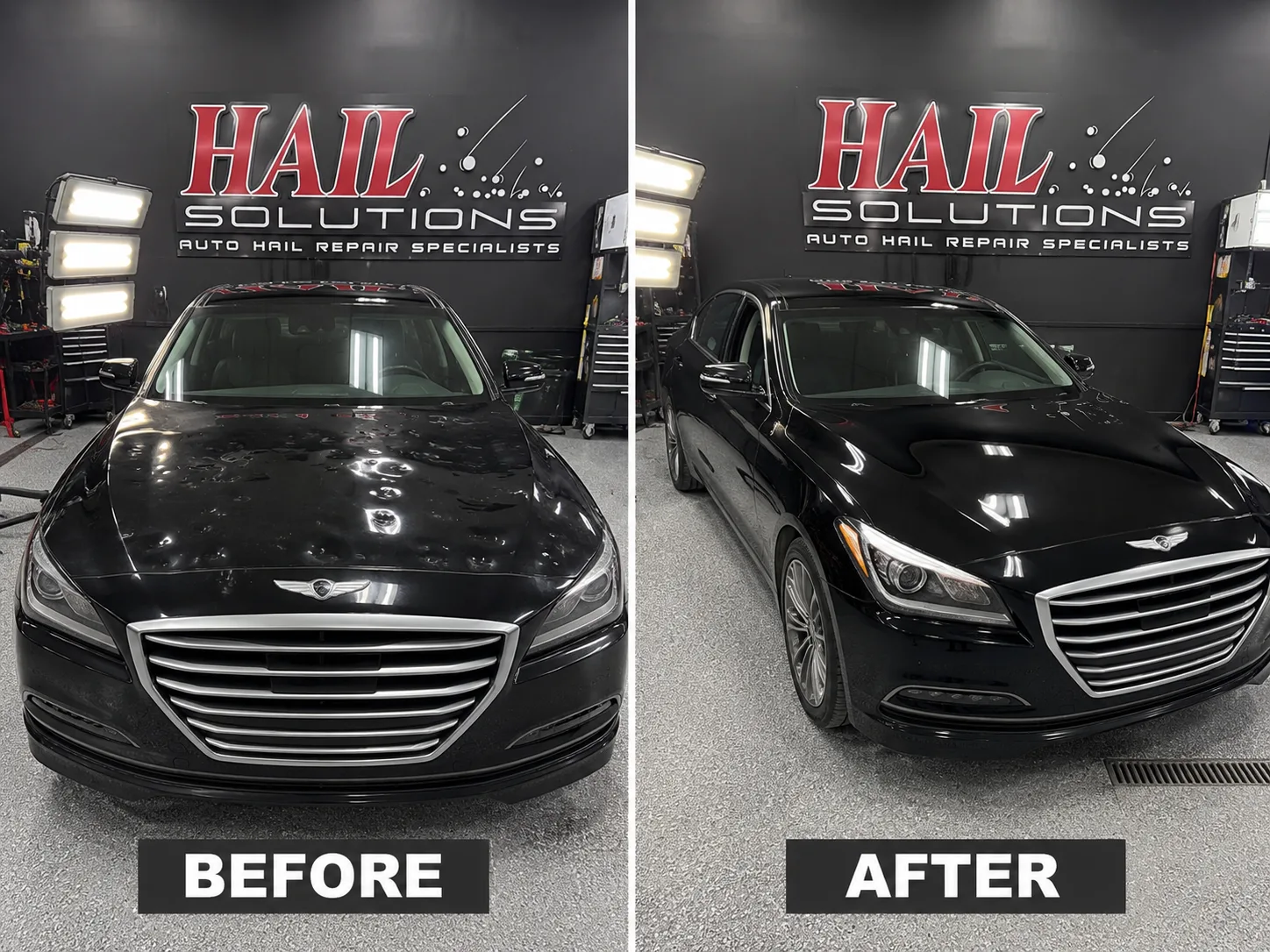
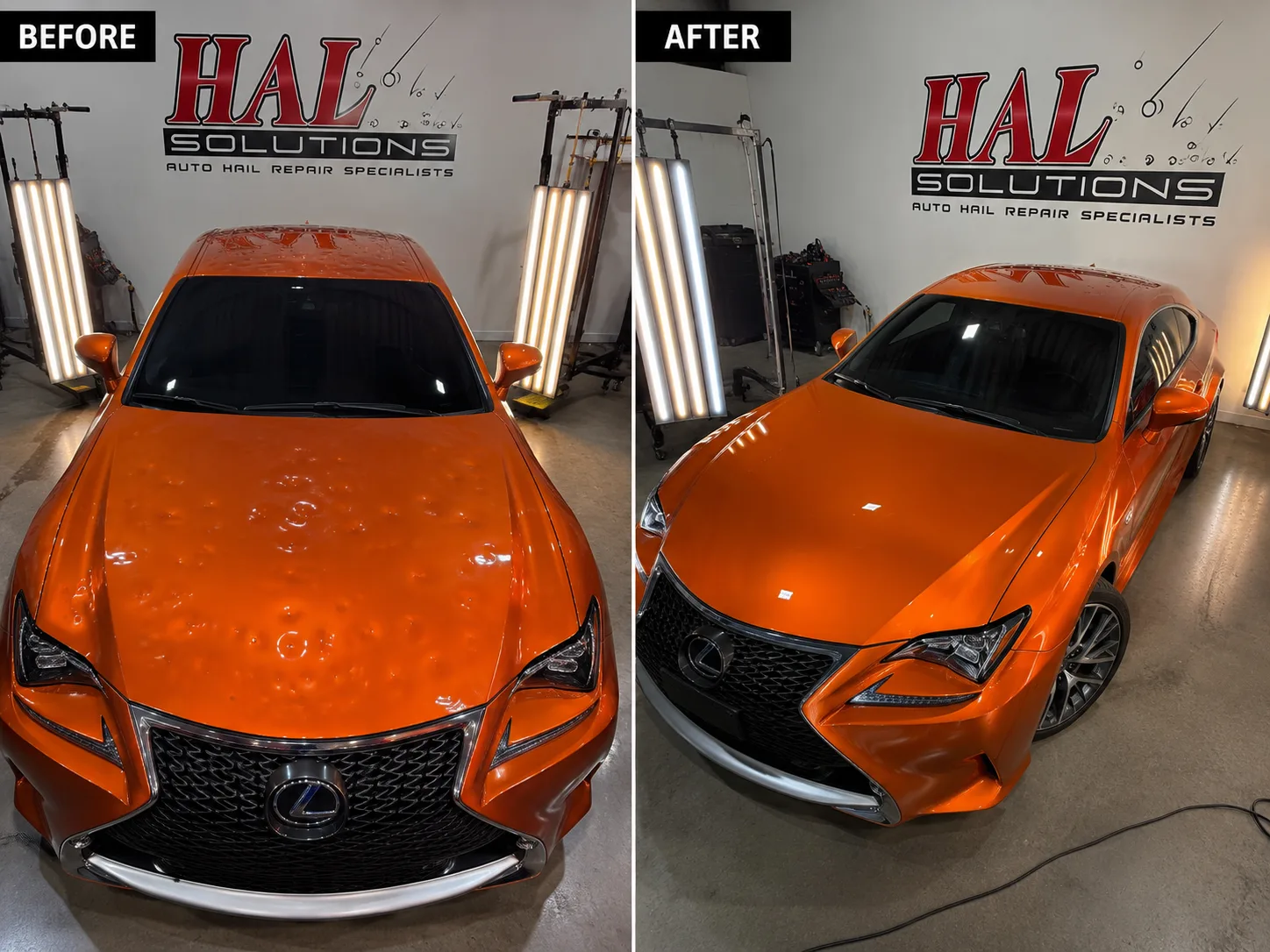
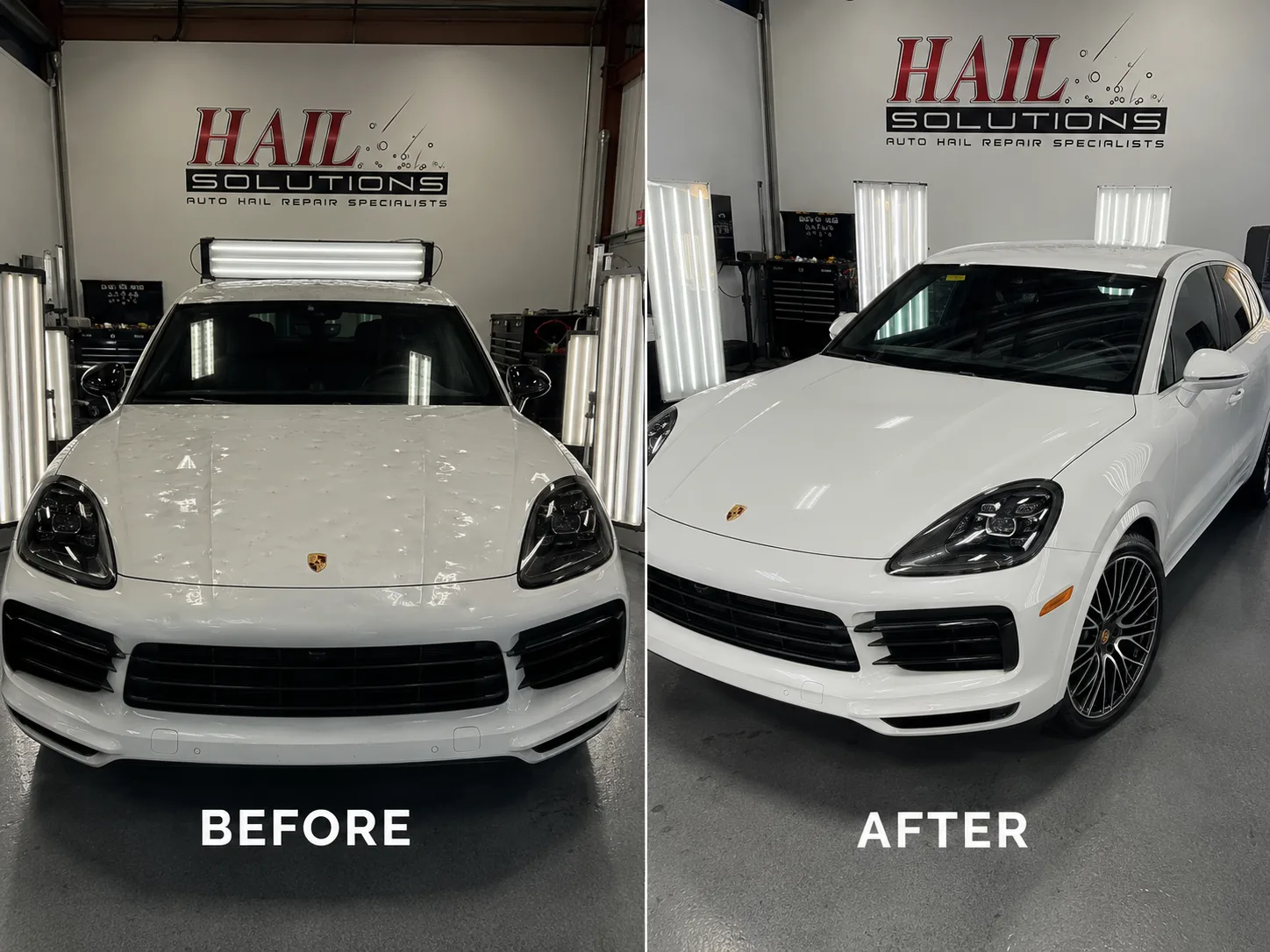
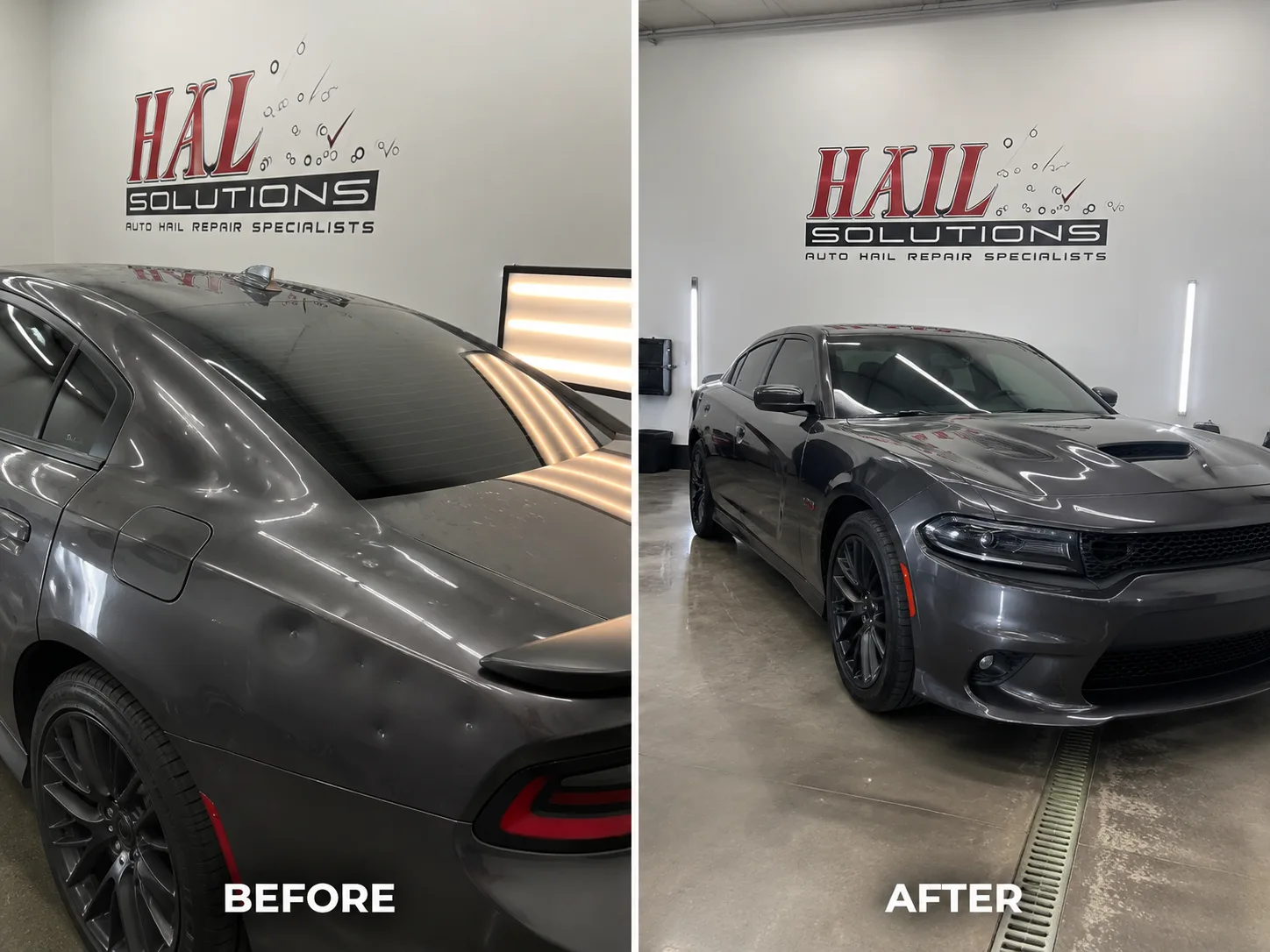
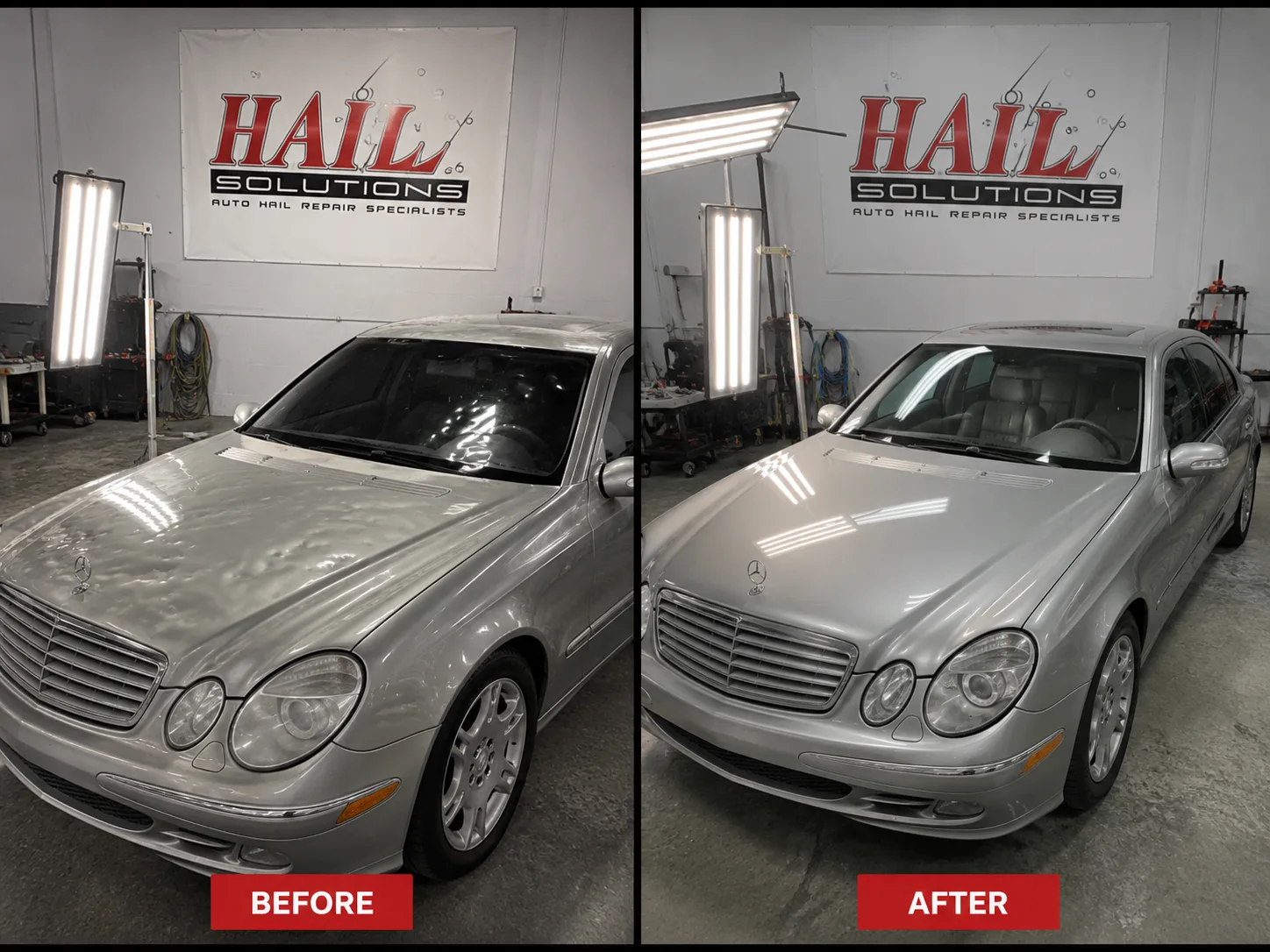
Read under the board, counted, reshaped on the original paint. What most Ottawa cars need.
Ottawa, Kansas · Franklin County · straight up I-35
Thirty-two miles of I-35 connect your driveway to our bay door, and there is not a turn in it. Ottawa has been a town on a route since the railroad; this is just the current version.
(816) 451-1455 · Mon–Fri 8:00 AM – 5:00 PM
One road connects Ottawa to the bay: thirty-two miles of I-35, about forty minutes, and we drive it. Cars are collected free from anywhere in Franklin County, read under controlled light, and each dent reshaped on the paint the factory applied.
Ottawa is a town that exists because of a route. The railroad came through and the town grew around the depot — the Old Depot Museum is that station, and the Prairie Spirit Trail runs on the bed the tracks used to sit on. Then the interstate came through and did the same job differently. Franklin County has spent a hundred and fifty years being somewhere on the way to somewhere.
For our purposes that has one very practical consequence. I-35 runs from Ottawa straight past our bay door in Olathe without a single turn in it. Thirty-two miles, about forty minutes, and it is our van doing them.
The rest of it is a real Kansas town of twelve and a half thousand with its own downtown, its own university and its own county. It is not a Johnson County overflow and we are not going to write about it as though it were.
Getting the car to us
We do, at no charge. It is the simplest run on the whole map: get on I-35, stay on it, arrive.
We collect from wherever the car is — a driveway in South Ottawa, the street downtown, the lot by Forest Park — hand you a free loaner, and take it up the interstate. It is read panel by panel in the bay, every dent counted, reshaped on its own paint, and driven back to you. No distance charge; the mileage is our cost of doing business rather than a line on your estimate.
What the drive buys you is an address that will still exist next year. Franklin County is far enough out that the metro's shops do not come looking, and close enough to the interstate that after a storm somebody always does — usually with a lease that runs to the end of the season. Our lifetime warranty is written down and attached to a building in Olathe that has been there for years.
Kansas rules
It keeps cosmetic hail out of the calculation that brands a title — and it does that regardless of what the car is worth, which is the part people assume is not true.
Kansas leaves damage that is merely exterior and cosmetic, from windstorm or hail, out of the salvage calculation altogether. There is no threshold you have to clear to qualify for that and no means test attached to it. The total-loss line sits at 75% of a late-model vehicle's fair market value, and the carve-out sits in front of it.
Where value comes into it is the arithmetic, not the entitlement. A repair figure written carelessly against a lower valuation sits closer to that percentage than the same figure against a higher one — so the defense on any car is an accurate count rather than a hopeful one, and a supplement corrects a first number that will not cover the work.
Kansas law leaves “merely exterior cosmetic damage… as a result of windstorm or hail” out of the salvage calculation, so a cosmetically hail-dented vehicle generally shouldn’t be branded a total loss on that basis alone.
Kansas sets the total-loss line at 75% of a late-model vehicle’s fair market value — but the cosmetic-hail carve-out above sits in front of it.
You choose the shop. Your insurer can’t force you to use a specific shop or make you travel unreasonably to one. They can recommend a shop — but the choice of who repairs your car is yours. (K.A.R. 40-1-34 under K.S.A. 40-2404(9))
The statute and the detail: Kansas hail damage laws. If you are weighing whether to file at all, how your deductible works is the arithmetic.
This is general information, not legal advice — what applies to you depends on your policy and your carrier.
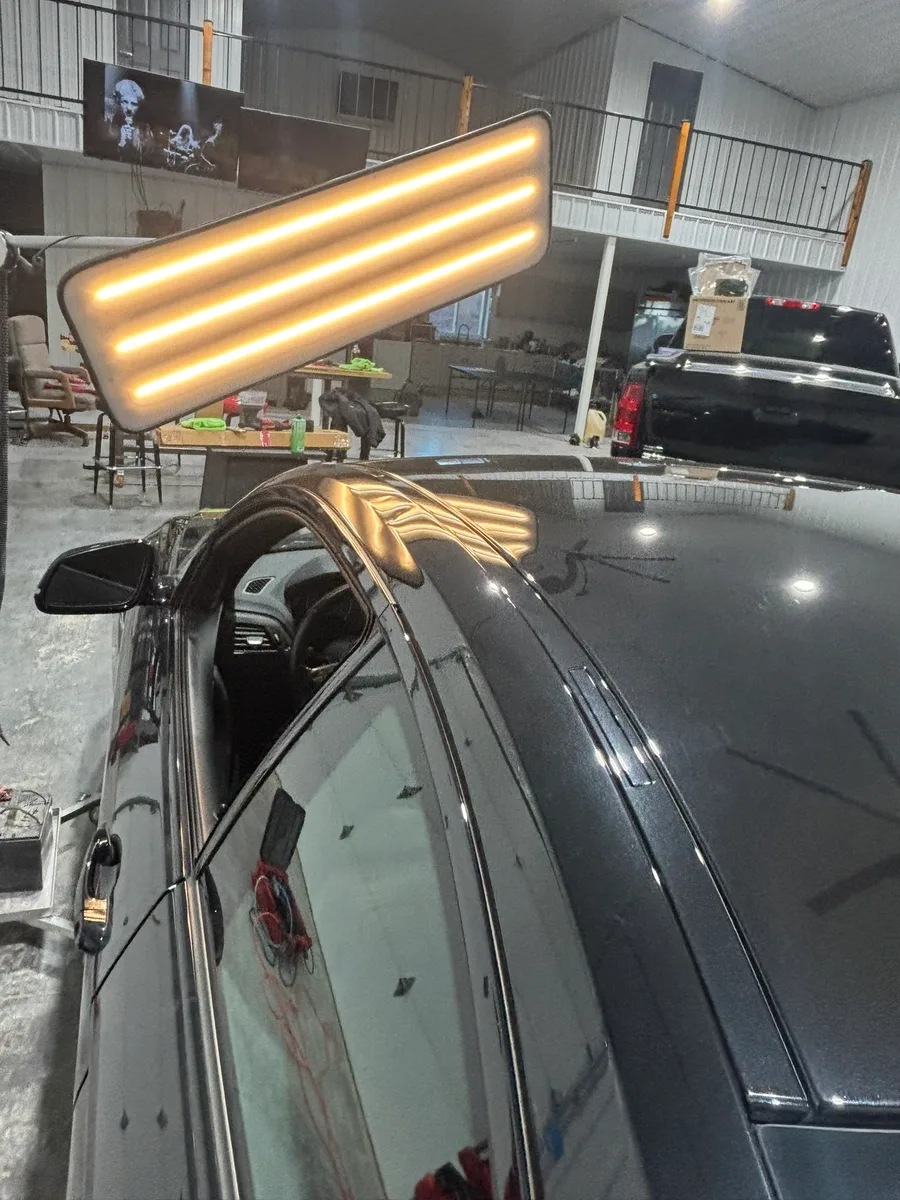
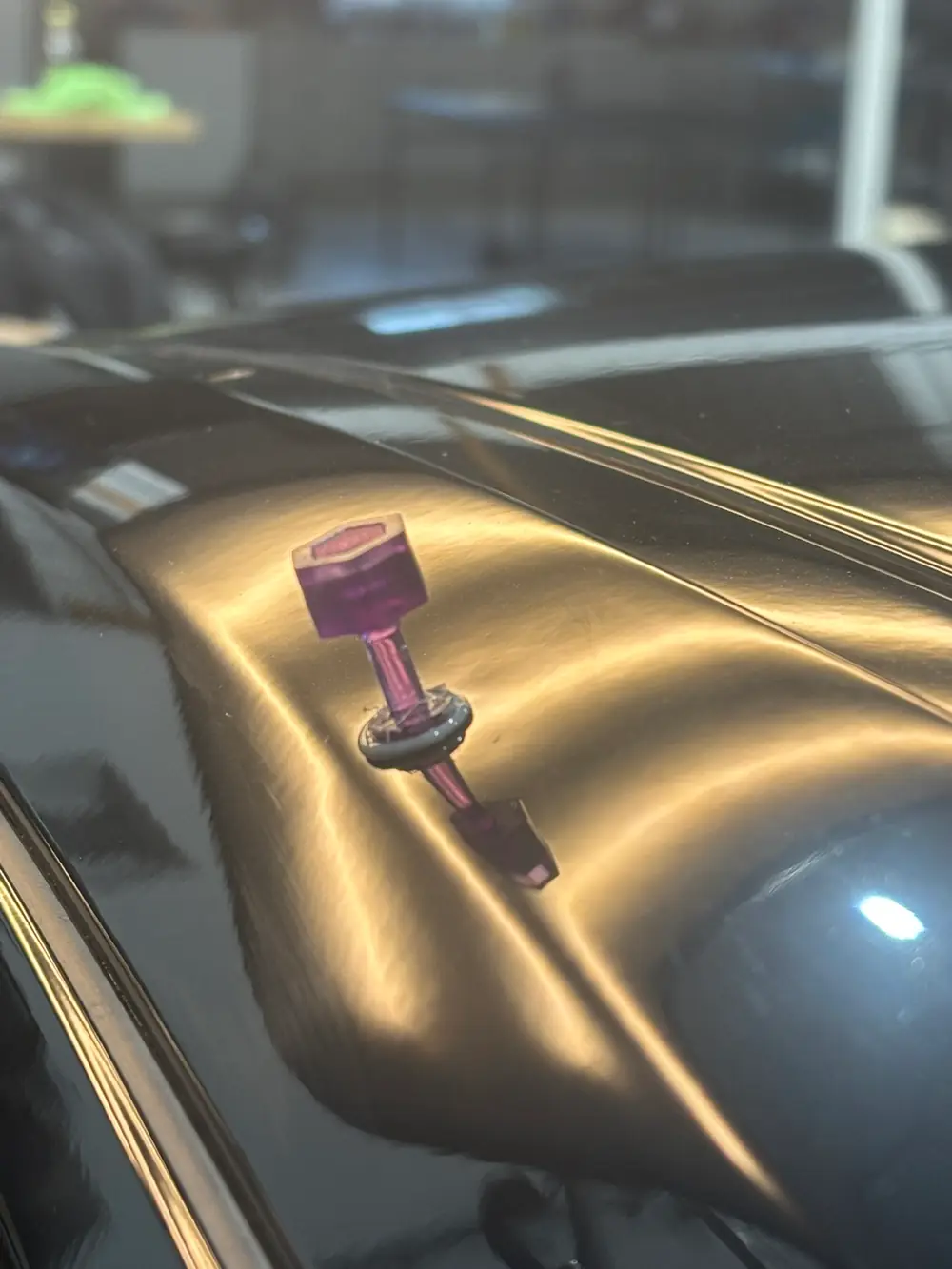
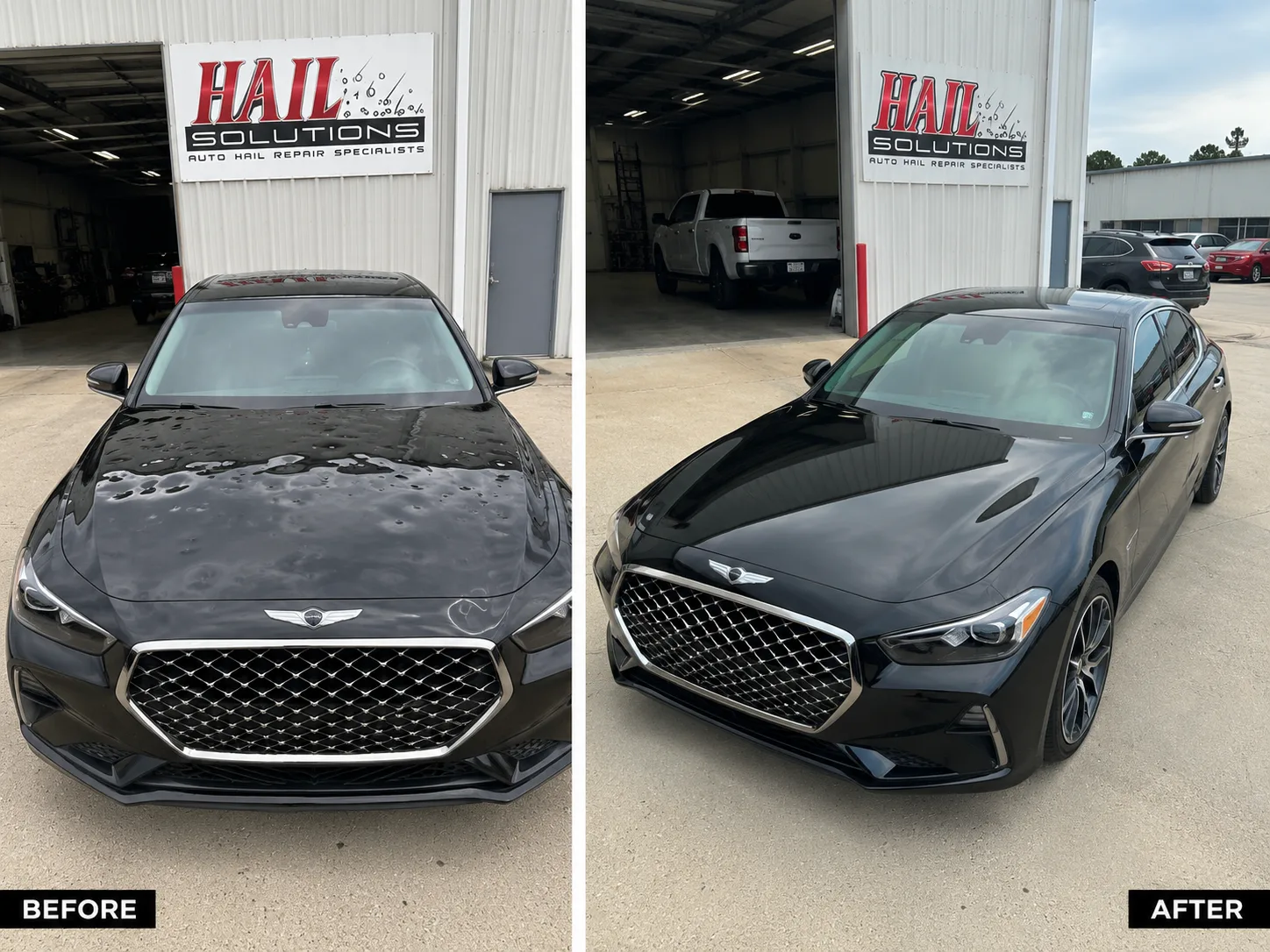
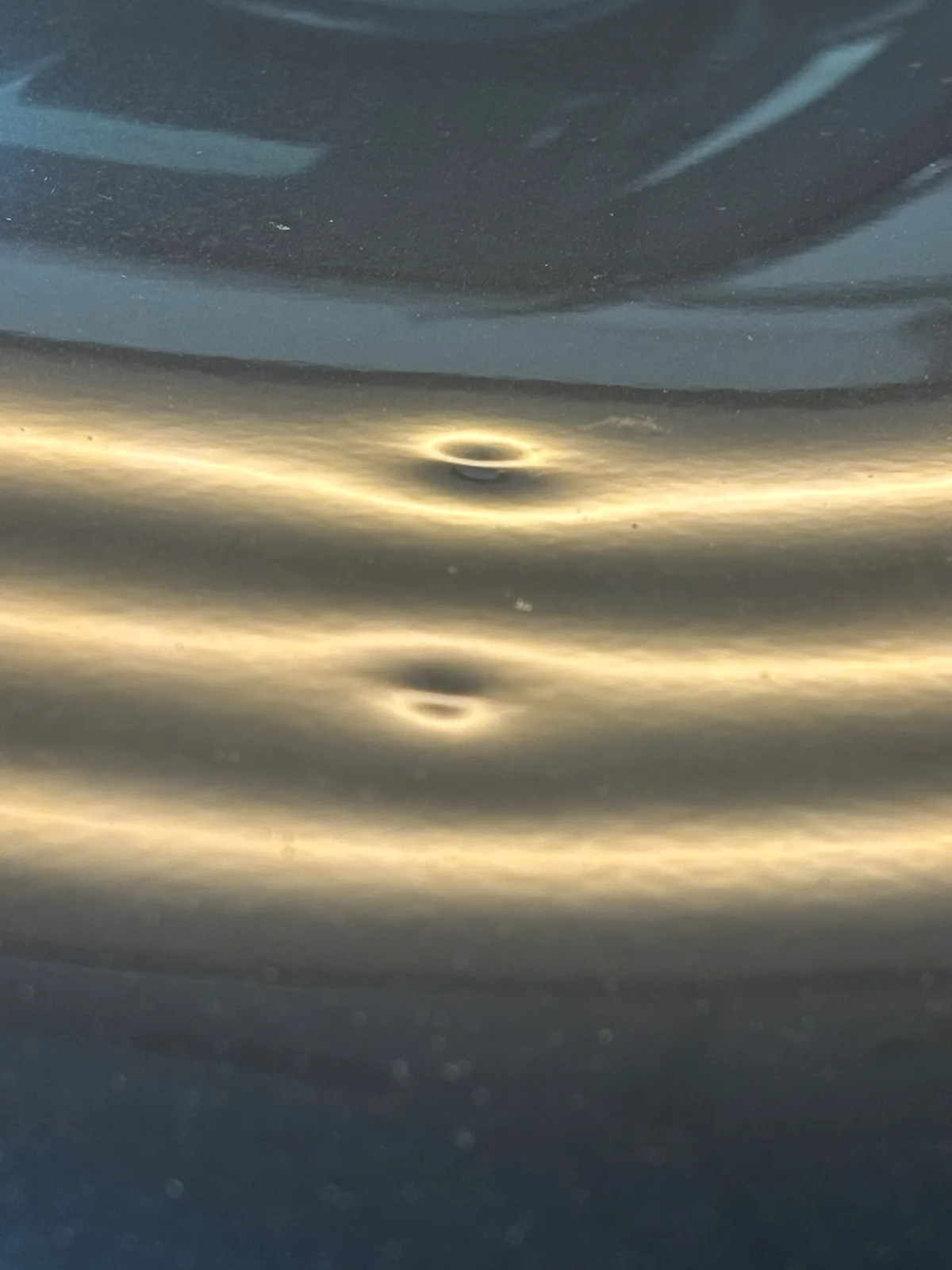
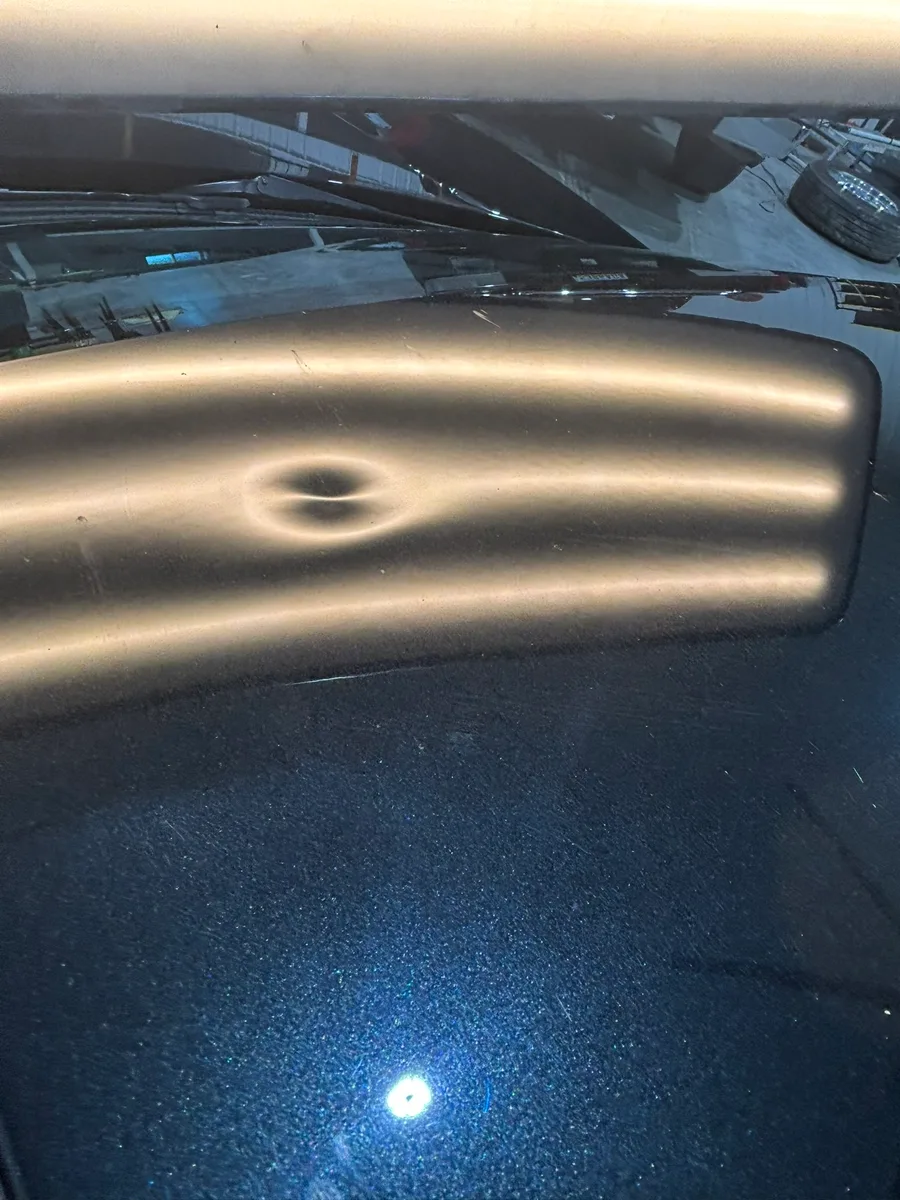
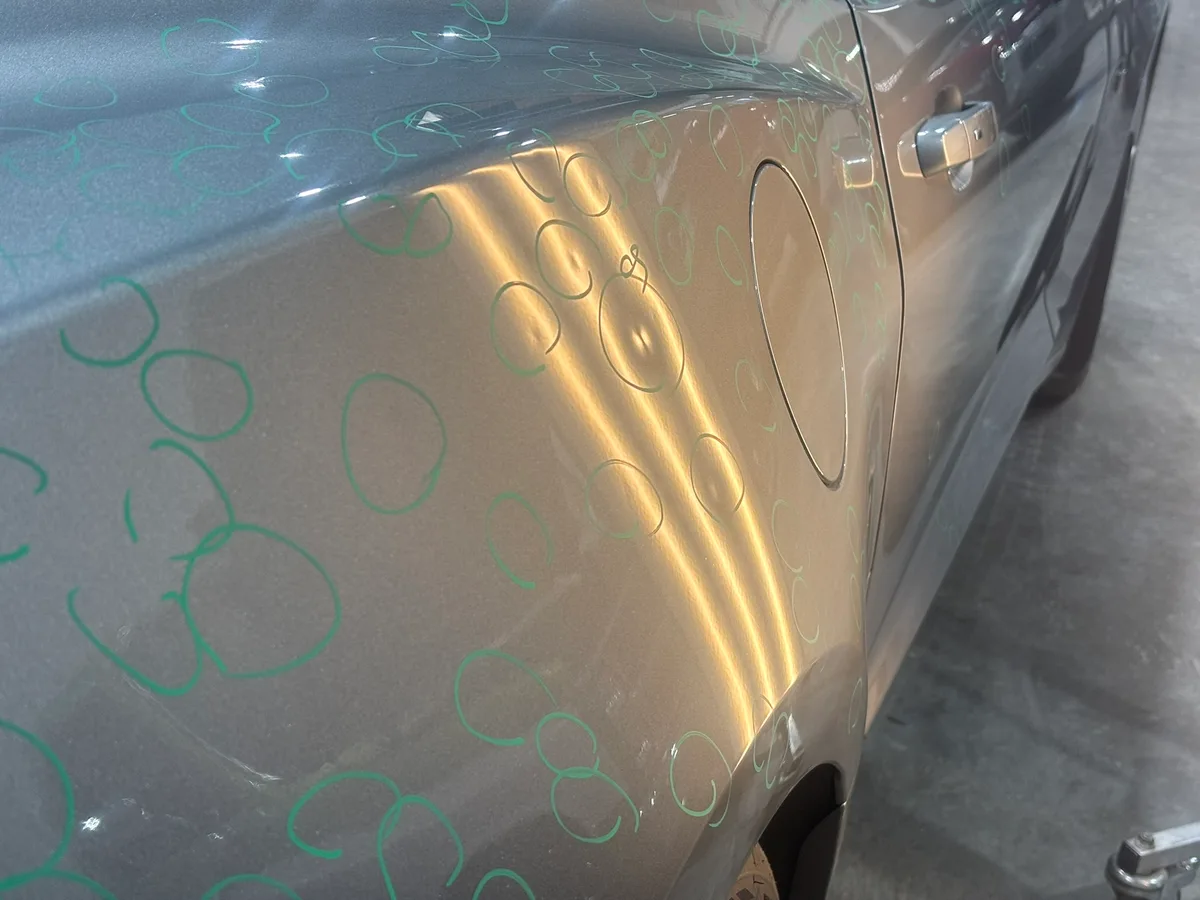
Every panel goes under a line board and every dent is found and circled before any figure is written. Then each one is worked back to shape from behind, or drawn up from the outside with a glue tab where there is nothing behind it to reach. No filler, no primer, no respray.
The method in full is on the paintless dent repair page. If someone has told you a panel needs replacing, paintless dent repair vs a body shop sets the two side by side.
A town on the line
Tightly, in the old part, and loosely everywhere else — which is what happens when a nineteenth-century downtown acquires a twentieth-century edge.
Downtown Ottawa is laid out the way a railroad town is: close, gridded, and parking on the street because there was nowhere else to put it when the streets were drawn. Main Street and the blocks around the old depot hold cars in the open all day. Forest Park sits alongside as one of the older parks in Kansas, and the Prairie Spirit Trail heads south out of town on the old rail bed.
North and south of that the town spreads out and behaves like anywhere else — driveways, garages, and the overflow car outside. Ottawa University sits in among it rather than dominating it. So a cell crossing Franklin County produces the usual split: heavy counts from the old center, lighter ones from the edges, and no useful generalization about "Ottawa" as a whole.
The interstate runs past all of it. I-35 is why the town is reachable, why after a storm it is worth somebody's while to drive out here with a business card, and why we can be at your door in forty minutes. It is the same reason the railroad picked the spot.
This page carries no storm date for Ottawa. Our verified record is metro-level and Franklin County sits outside it — borrowing a Kansas City cell and pinning it on Main Street would be a fabrication. What your panels show under the board is the hail history your claim runs on.
Ottawa is the only Franklin County town on our map, which is geography rather than a boast: it means the run here is its own trip rather than a stop on a Johnson County loop, and it is why we come to you rather than expecting you to meet the van halfway.
Where your car goes from here
Thirty-two miles does not change any of these. It only changes who is on I-35.
Read under the board, counted, reshaped on the original paint. What most Ottawa cars need.
Franklin County runs on trucks. Aluminum takes smaller corrections and carries a labor factor on the estimate.
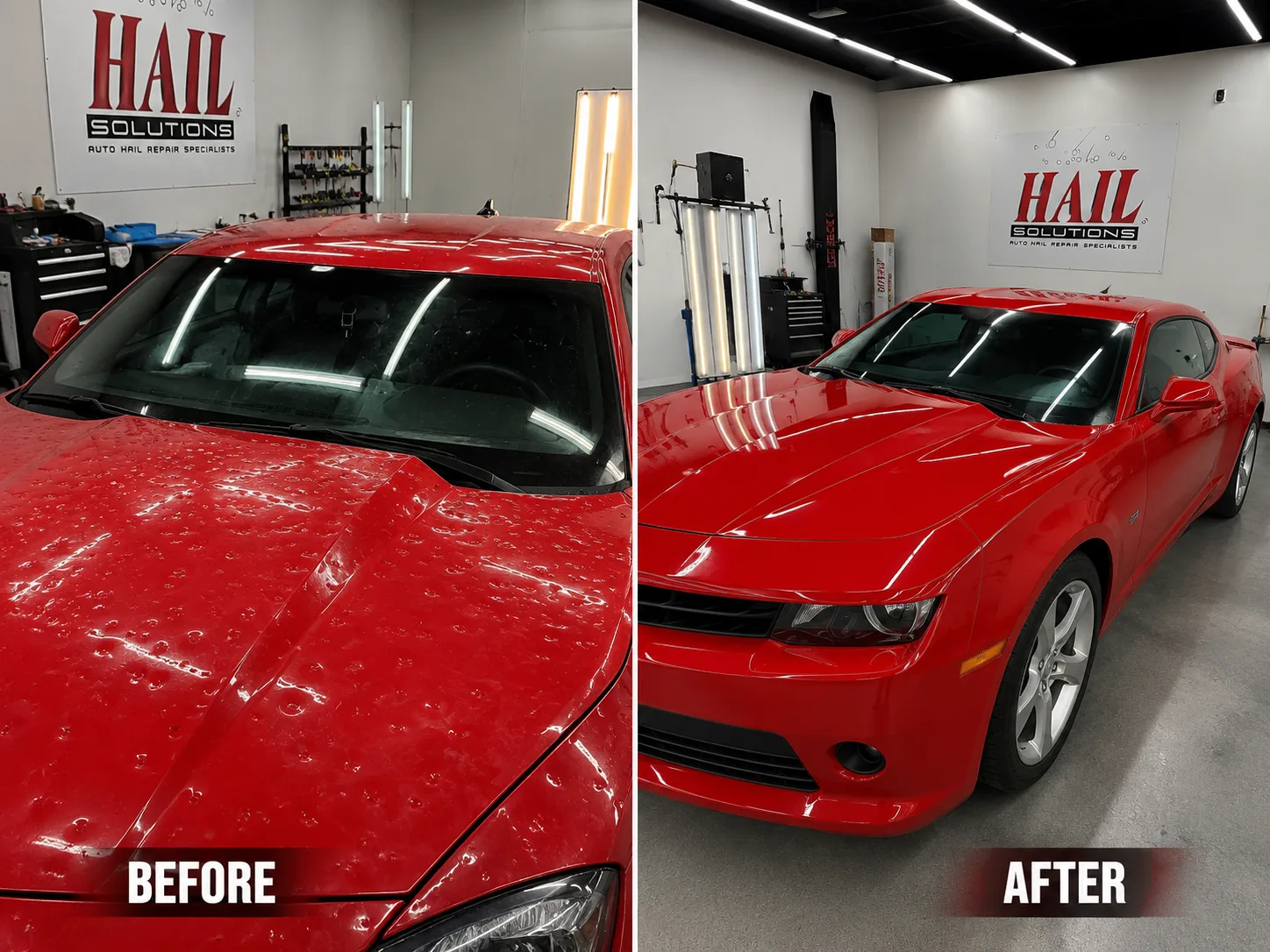
A car parked downtown through a storm season takes everything. Heavy is slow work rather than a lost car.
The usual result of an estimate written from photographs. A supplement is the document that corrects it.
Up the interstate
Ottawa is the far end of the I-35 run. These are the towns the van passes on the way back.
In their words
From start to finish it was easy. Called Hail Solutions after a nasty hail storm in Kansas City and they squeezed me in the next day for paintless dent repair. Saved me hundreds.
These guys are the real deal. Affordable hail dent repair that looks factory perfect. Took them less than 4 hours on my sedan. Thank you Hail Solutions.
Got my car back the same day with perfect hail damage repair. The whole process was so easy and affordable. My car looks better than before the hail.
Straight answers
Some of these have answers we can't promise, because they're decisions your insurer or a third-party database makes, not us. Where that's true, we say so.
Yes, and there is no charge for it. Thirty-two miles up I-35, about forty minutes each way. We collect the car, leave a free loaner, repair it in the Olathe bay and drive it back. The mileage is our overhead rather than a line on your estimate.
No. There is one shop and it is at 2109 E Kansas City Rd in Olathe. We would rather say that plainly than list a local-looking address that forwards somewhere — which is a common enough trick after a storm that it is worth checking for whoever you end up using.
Kansas leaves damage that is merely exterior and cosmetic — the kind hail causes — out of the salvage calculation, and draws the total-loss line at 75% of a late-model vehicle's fair market value. The carve-out sits in front of that number and applies whatever the car is worth. The practical risk is a careless estimate rather than the law.
It changes the count, not the method. A car with no garage takes every storm in the season rather than some of them, so the numbers run higher and the work takes longer. The dents come out the same way — reshaped from behind or lifted with a glue tab, with the factory paint left where it is.
One to three days in the bay for most cars, up to about a week if the count is heavy, plus the driving either side. The loaner covers all of it. A real timeline comes once the car has been read under the board.
Ottawa
A few photos and a handful of questions in the free walkthrough and you will know what to say when you call your insurer. Hand us the claim number and the car goes up I-35 while you keep the loaner.